
Global Conservation: Histories and Theories (16th-21st Century)
What is conservation, and for whom is it done? The ERC-funded project “Global Conservation: Histories and Theories (GloCo)” explores the idea of situated conservation. Our goal is to counterbalance the narrative of Western domination in the field, and to write more inclusive and more accurate histories. We consider ways of caring for objects and collections inside and outside the museum and excavate historical and theoretical knowledge. We interrogate how coloniality impacts care practices and discourses. We study the missing histories and theories of conservation of material culture at a global level from the sixteenth to the twenty-first century. GloCo approaches conservation as a set of cultural and technological practices that aim to preserve and enable access to art and (im)material culture.

©NoémieEtienne
Anthropological Life-Casts
I’m working on a collective project about casts in general, and anthropological life-casts in particular. The timeframe is broad, from the Renaissance to the 20th Century. This work is an extension of my research on anthropological dioramas. How do we think about these singular objects? What is their place in the world of research and museums? What are they and what do they do? How do we deal with the violence from which they often emerge? The aim is to propose a history and a way of thinking about anthropological casting, in collaboration with the communities concerned. The aim is to articulate the political, material and theoretical dimensions, particularly in terms of conservation.
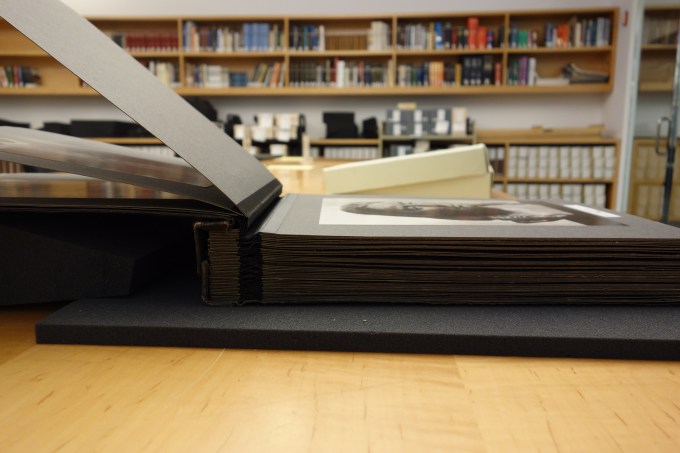 ©NoémieEtienne
The Exotic?
The SNF-Project “The Exotic?” at the University of Bern between 2016 and 2022, is the first project to study the global and colonial history of Switzerland in the 17th and 18th centuries. We choose the prism of objects coming from libraries, museums, archives… We see artefacts as fragments of incomplete histories. We explore their making, meaning, and provenance. This research has given rise to numerous publications (Diaphanes, Seismo) and an exhibition at the Palais de Rumine between 2020 and 2021.
More: https://www.theexotic.ch
https://www.archeotech.ch/fpcm/nzx8imbn384
https://press.uchicago.edu/ucp/books/book/distributed/E/bo71154474.html
https://www.seismoverlag.ch/fr/daten/collections-coloniales/
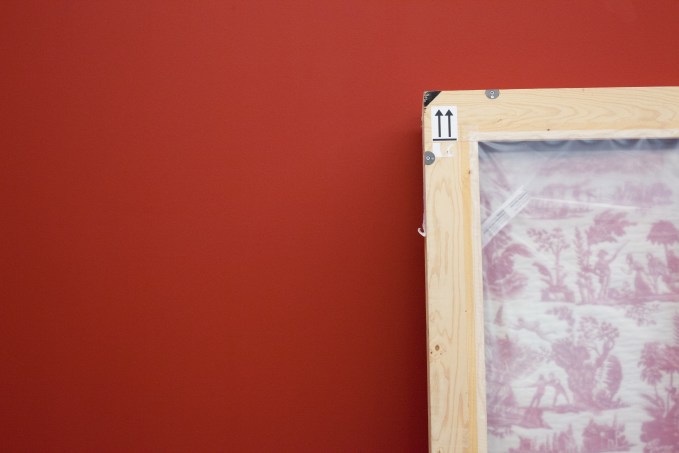
©LionelHenriot
Artworks in Progress
My research focuses on the connection between the material life of artworks and their reception at various moments and in different places, particularly throughout the long 18th century. It aims to consider artworks as works in progress, in a constant state of flux. This perspective is explored with less of an emphasis on the context and date of creation, or the interpretation of art works, and more on their material existence in time. The work of art is considered as a continuum: this focus on continuous modification (restoration, reparation, desctruction) allows me to bridge the distinction between the creation and the reception of objects, while acknowledging their constant refashioning.
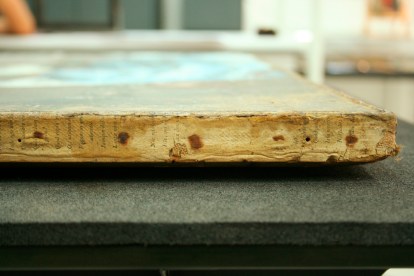
© Atelier de conservation-restauration des peintures, MAH, Genève.
Materiality and Mobility
I am also emphasizing the connection between materiality and mobility. I am concerned with objects being used in a culture other than the one in which they originated. This perspective facilitates the study of the migration of material culture from one territory to another. Various spaces are activated through the circulation of material things and works of art: public or private, commercial, museal or domestic. My research aims to track the movement and changing materiality of artworks across time, space, and culture, particularly during the eighteenth and nineteenth century.
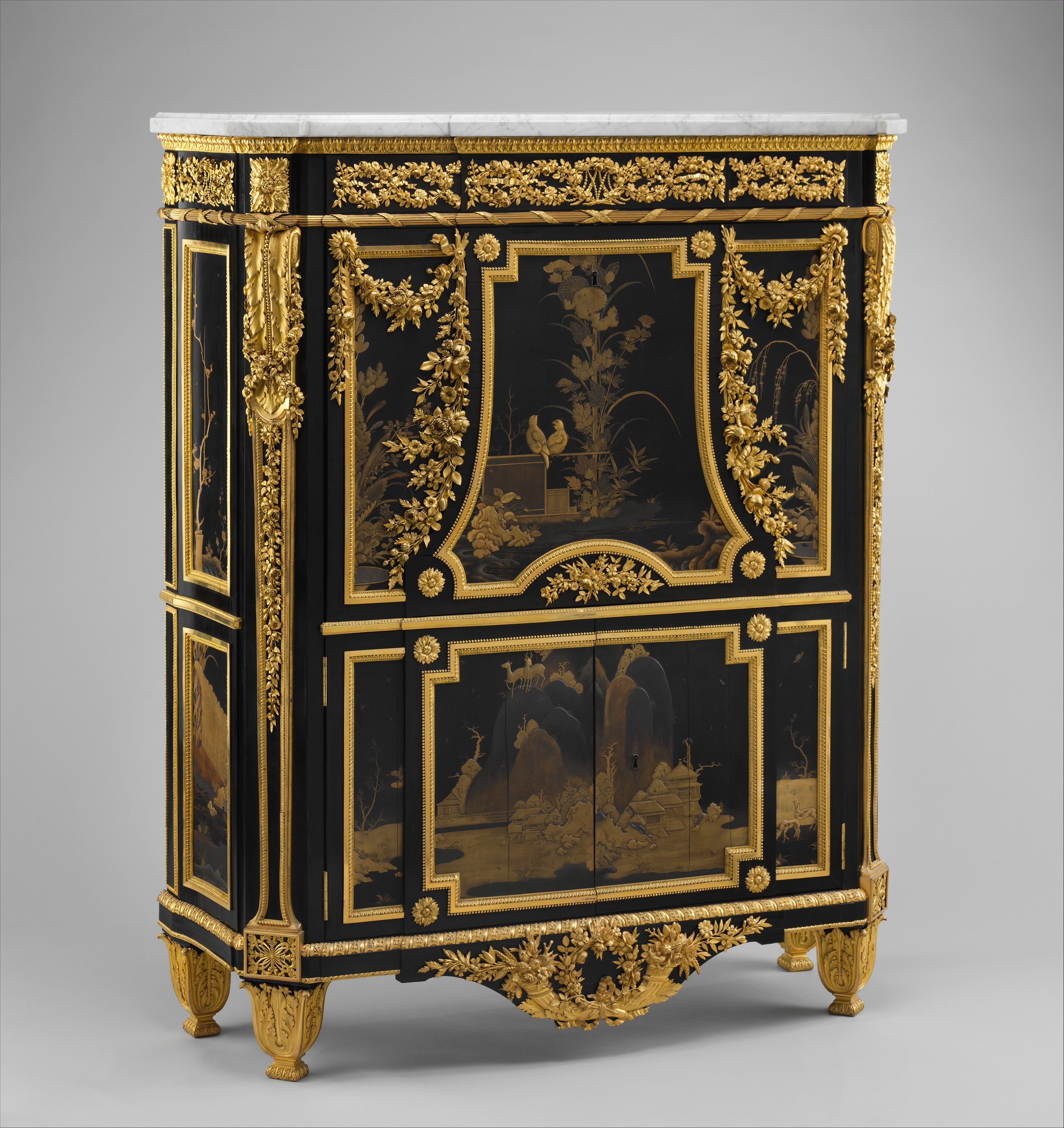
Riesener, Secrétaire à abattant, 1783, Metropolitan Museum.
Travelling Spaces
Finally, I am interested in museum history and display with a particular focus on anthropological dioramas during the nineteenth and twentieth century in Europe and the United States. I aim to understand how time and space, as well as distance and proximity, are articulated within such displays. The question of touch and contact is also key. It introduces alternative ways of thinking about the values inherent in anthropological museums, such as authenticity, expertise and legitimacy.
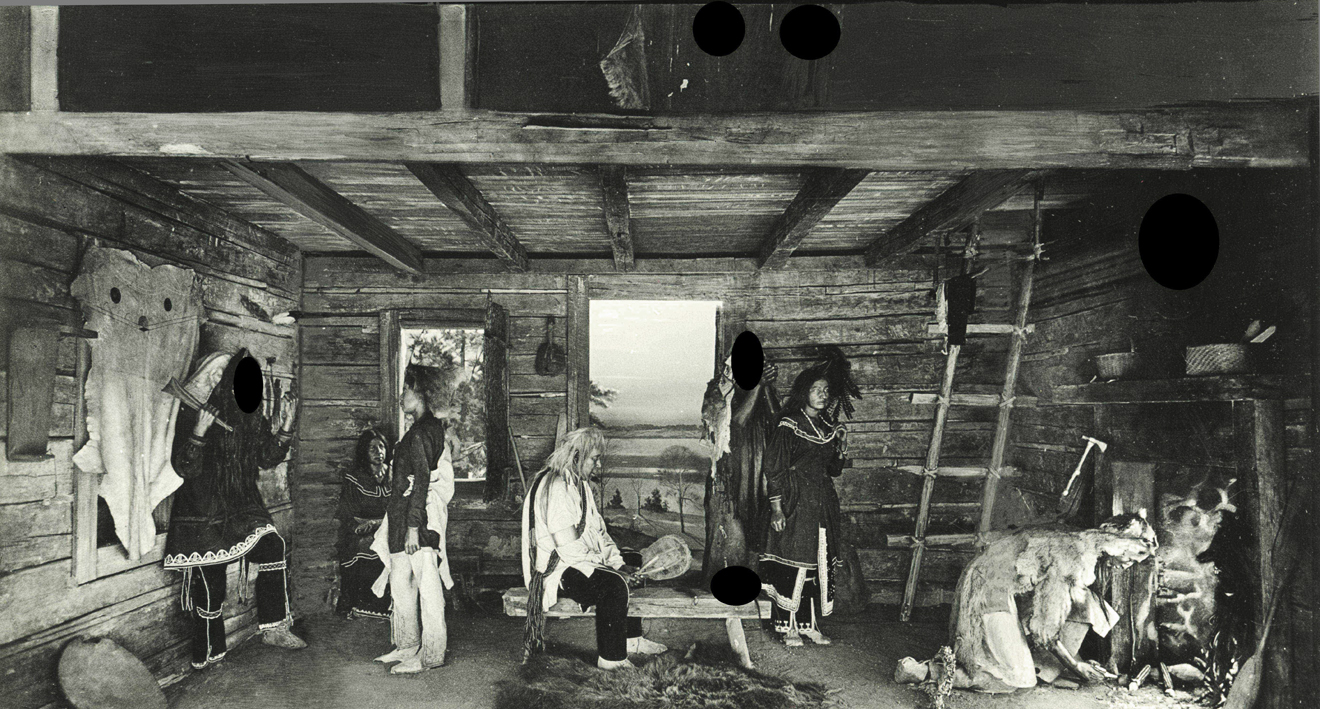
The False Face Ceremony, mixed-media installation, designed by Arthur Parker in collaboration with Henri Marchand and Caspar Mayer, 1908-1918. © NYSM
 Noémie Étienne